Wholesale Household Pasta Maker

Home / Product / Pasta Maker / Household Pasta Maker

Household Pasta Maker

We can save cost and create value for you.

Household Pasta Makers for Everyday Use

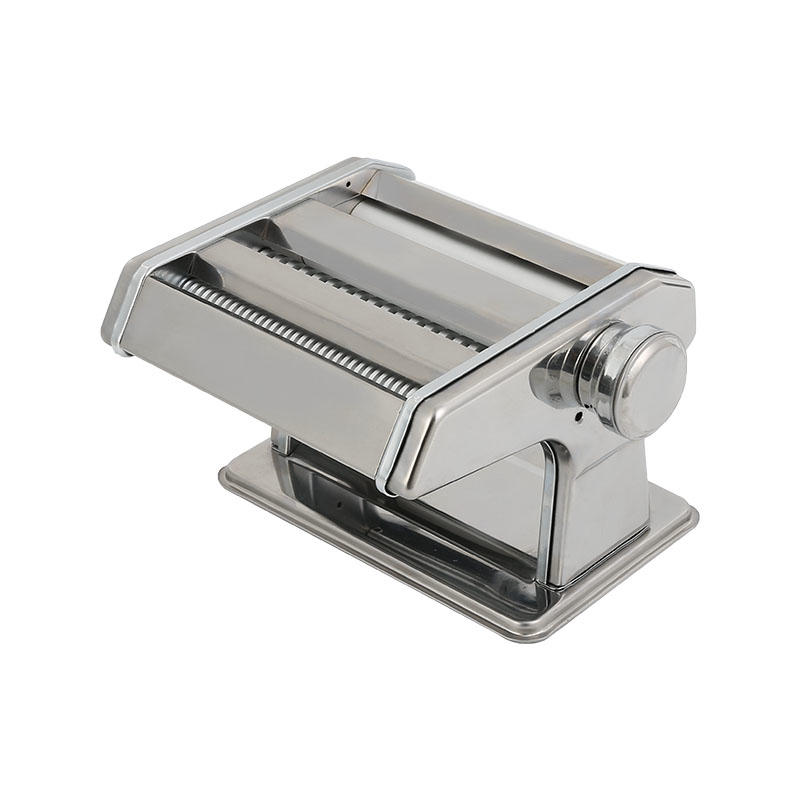
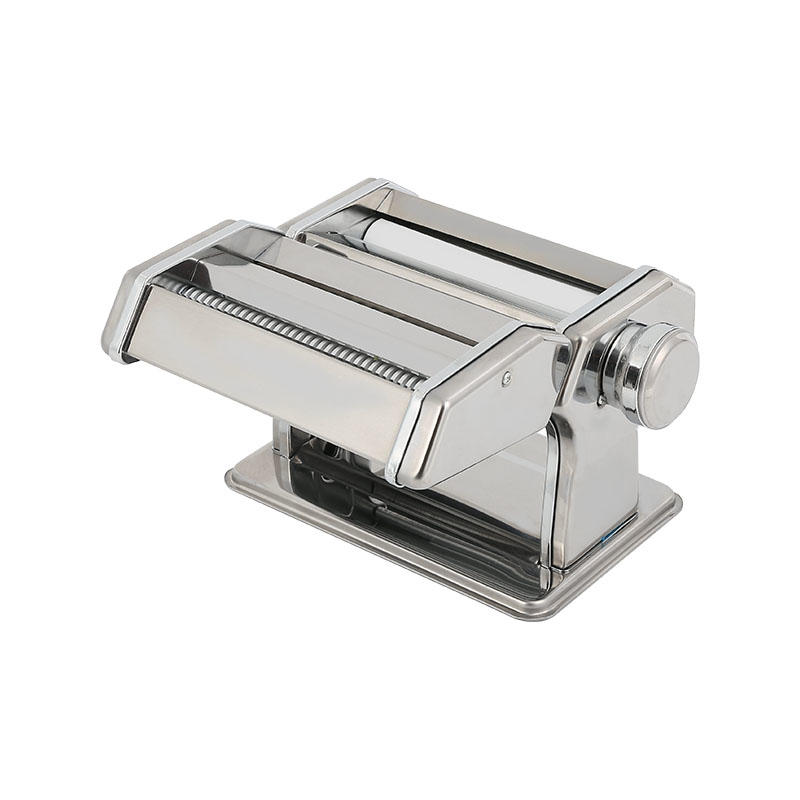
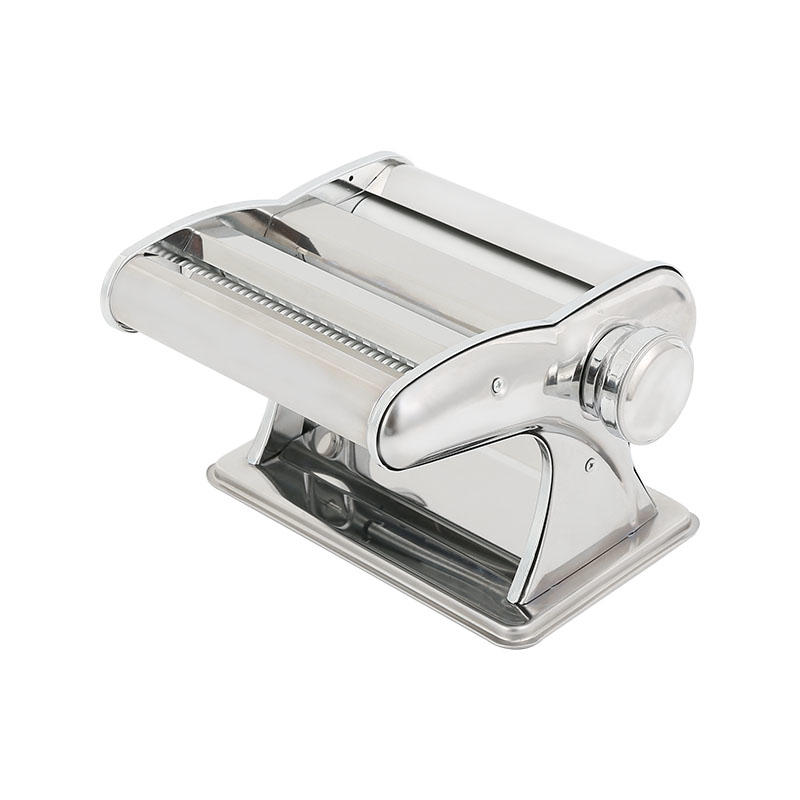
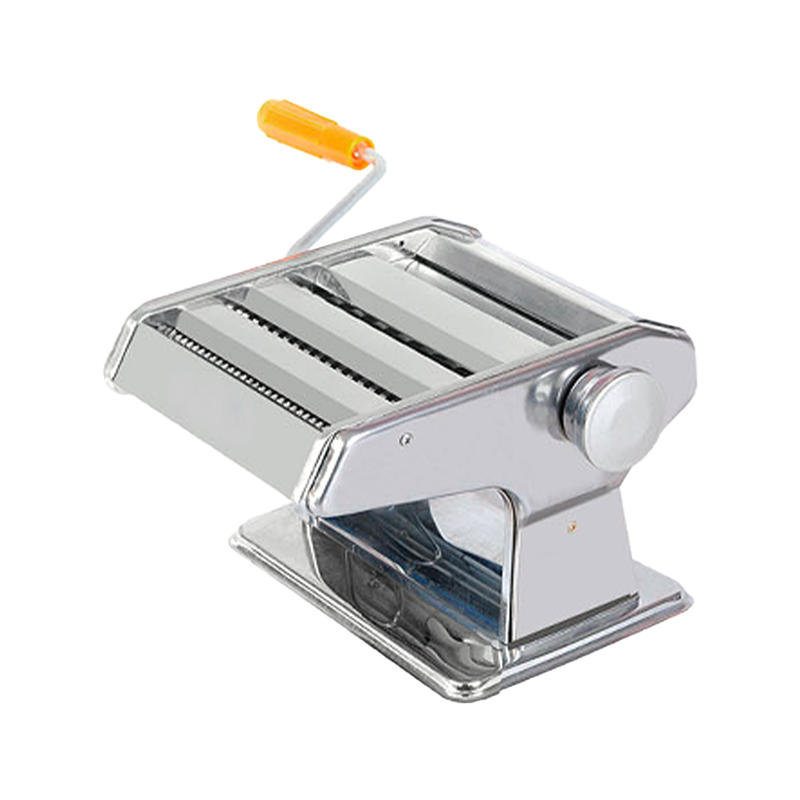
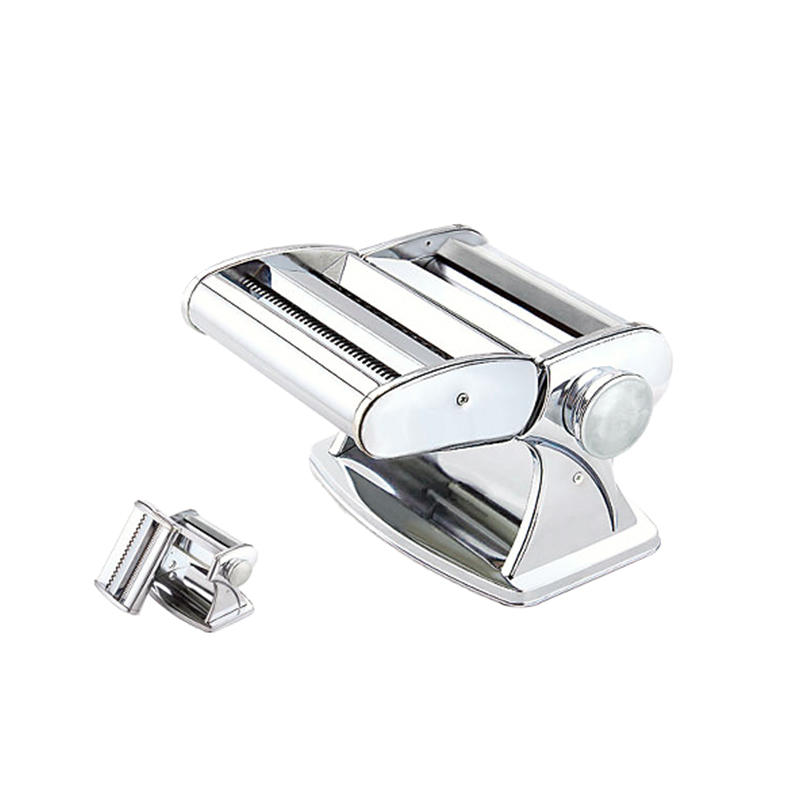
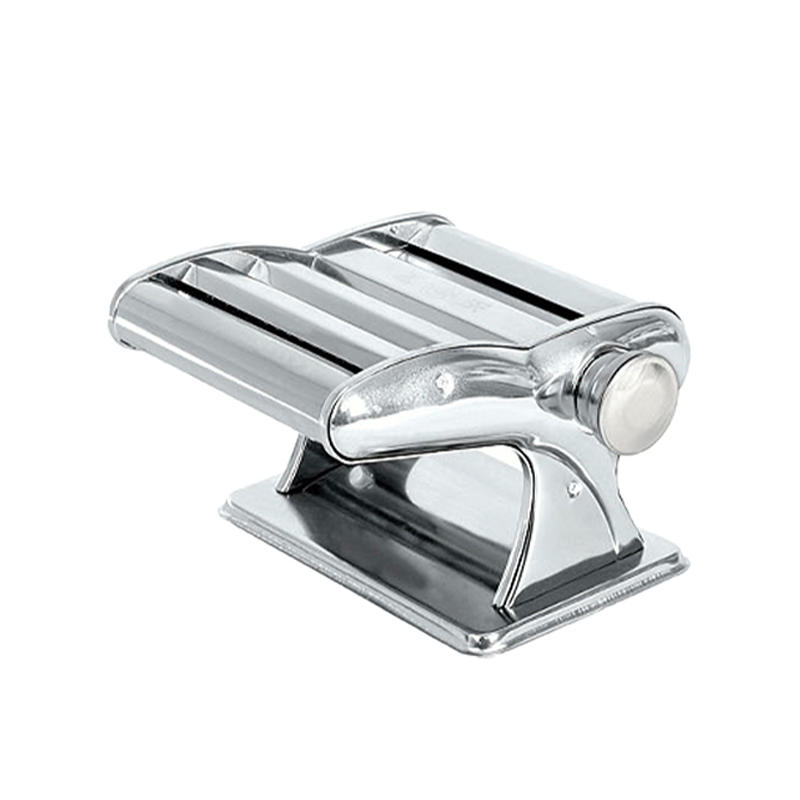
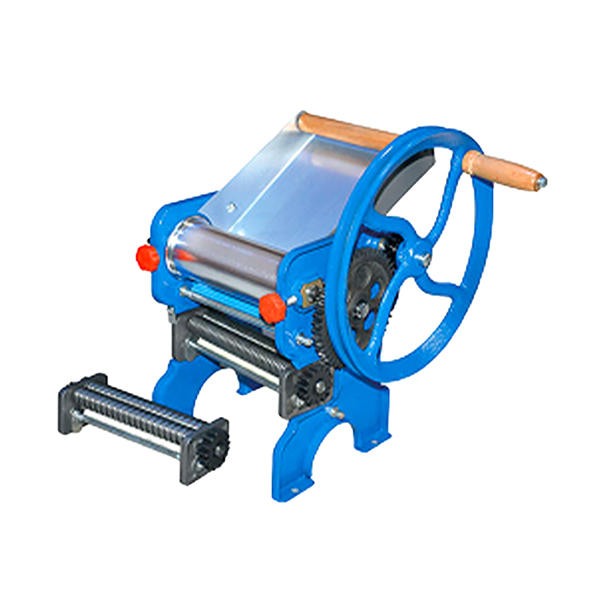
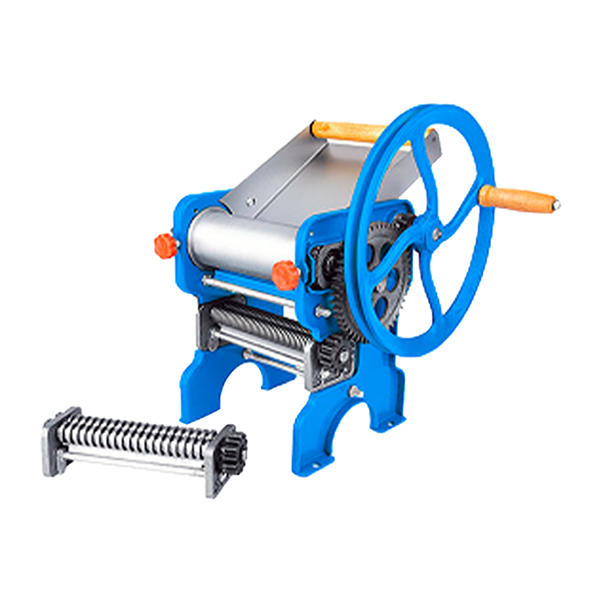
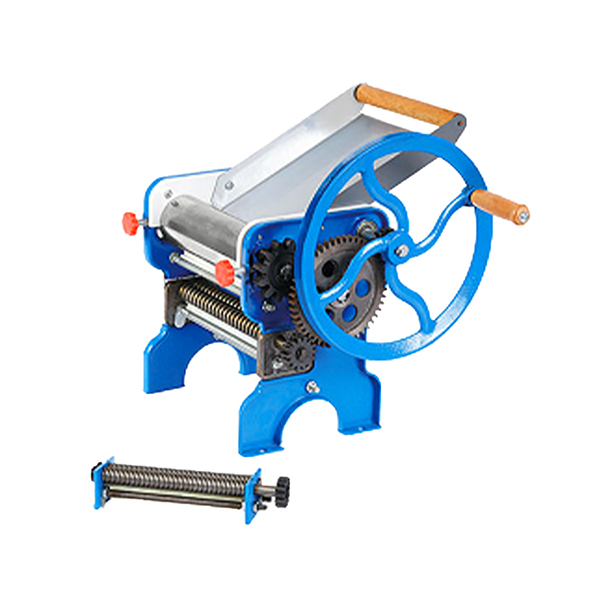
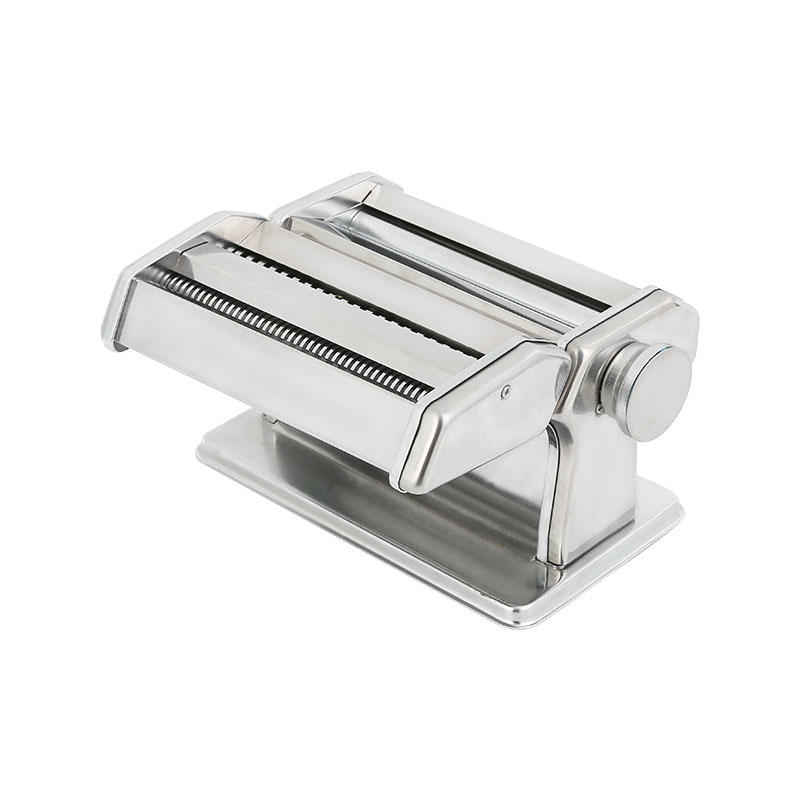
The household pasta maker is a practical, compact machine made specifically for home kitchens, where space is often limited. This manual version is lightweight, simple to tuck away in a cupboard, and great for turning out fresh pasta sheets, noodles, dumpling wrappers, wonton skins, and whatever else you need.

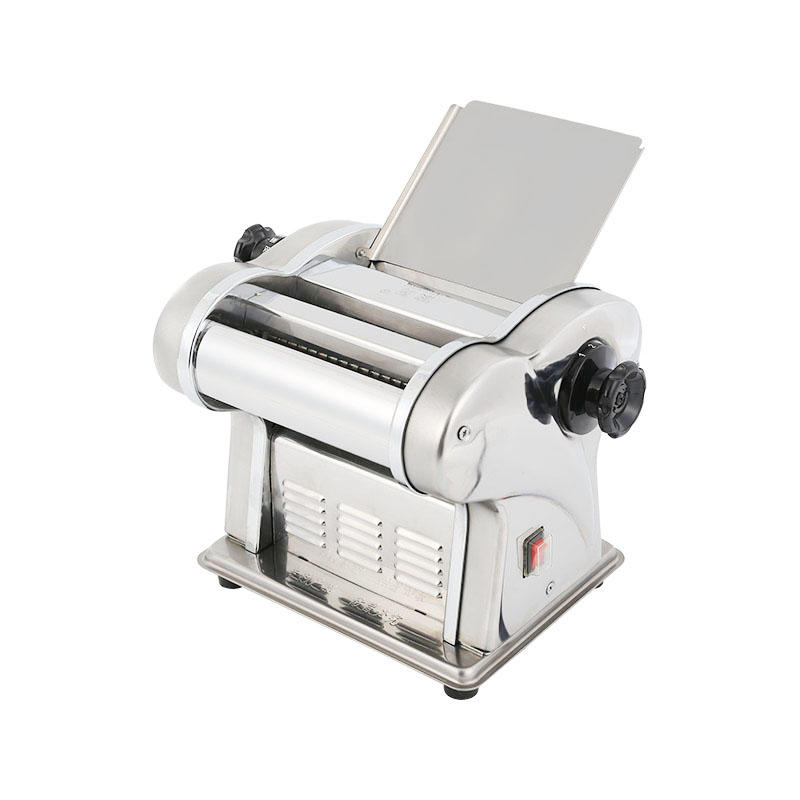
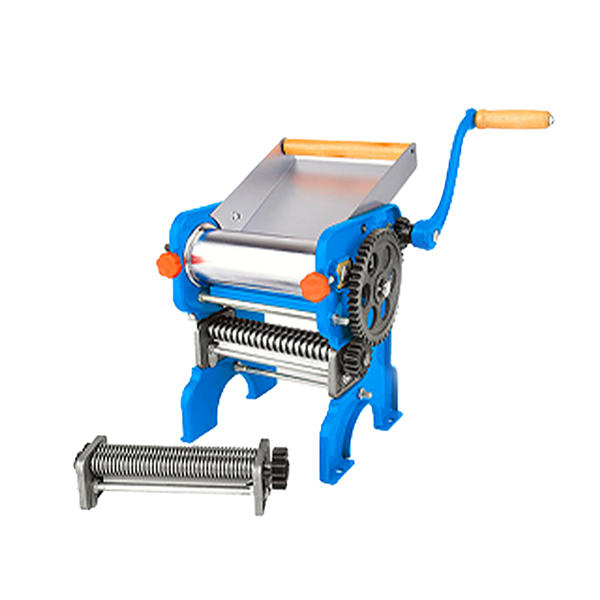
If you want even less effort, go for the electric household model—its built-in motor does all the rolling and cutting for you, speeding things up without any hand cranking. It works just as well in a home setup or a small restaurant, handling everything from thin spaghetti and fettuccine to filled ravioli with ease. The electric version keeps your hands free, delivers uniform thickness every time, and gets fresh pasta ready in no time.

24 years of experience

Yongkang Haiou Electric Co., Ltd.

We are one of the China Household Pasta Makers Manufacturers and Household Pasta Makers factory. We are located in Yongkang City, Zhejiang Province, close to Yiwu Port, and only 3 hours' drive from Ningbo Port. Our geographical location is superior and the transportation is convenient.
We have our own independent R&D department, which can provide customized design according to the target price of customers. We have established a complete quality control system to meet customer requirements. Our products have high cost performance and quality assurance.

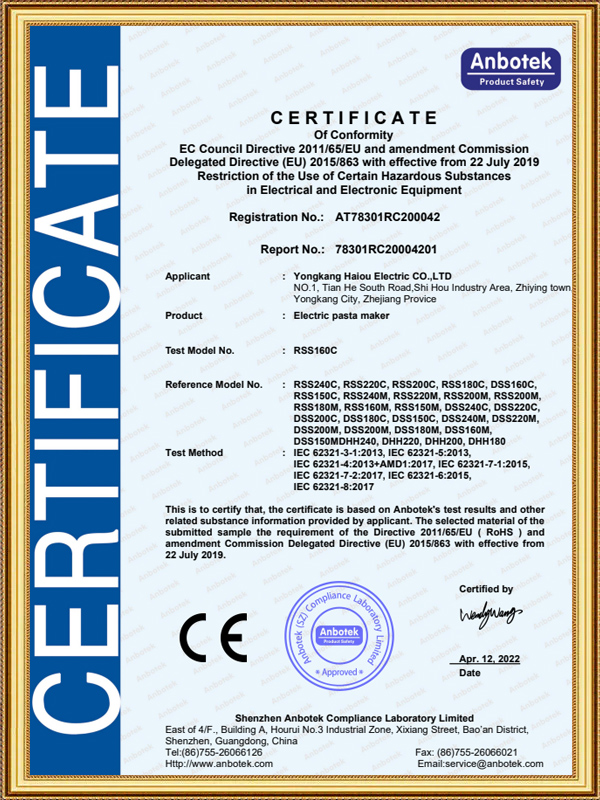
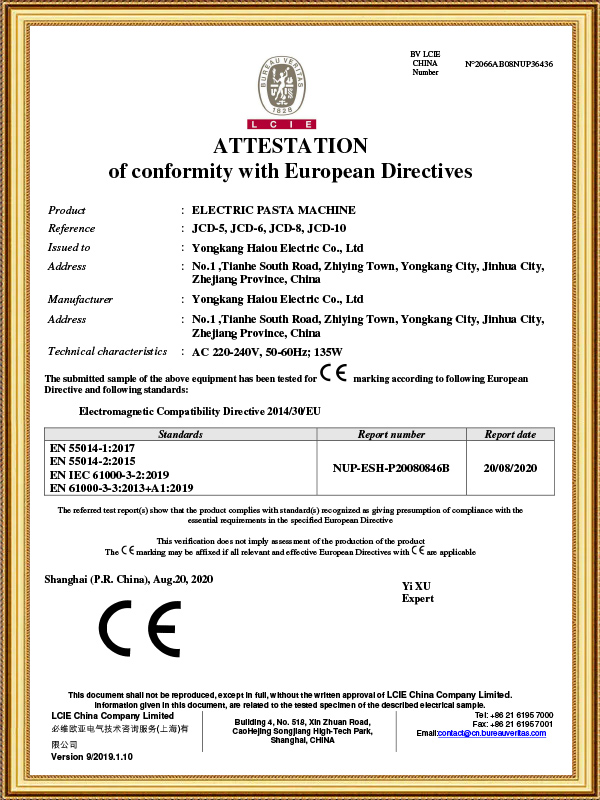
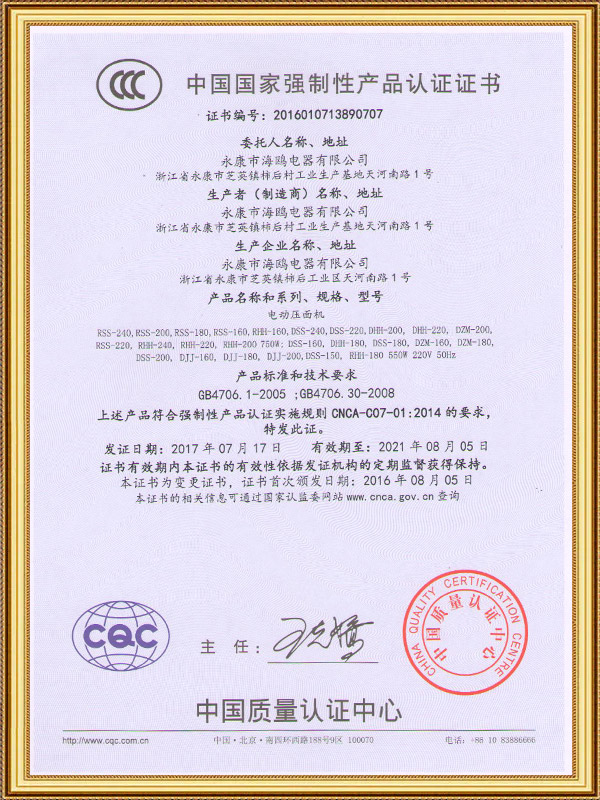
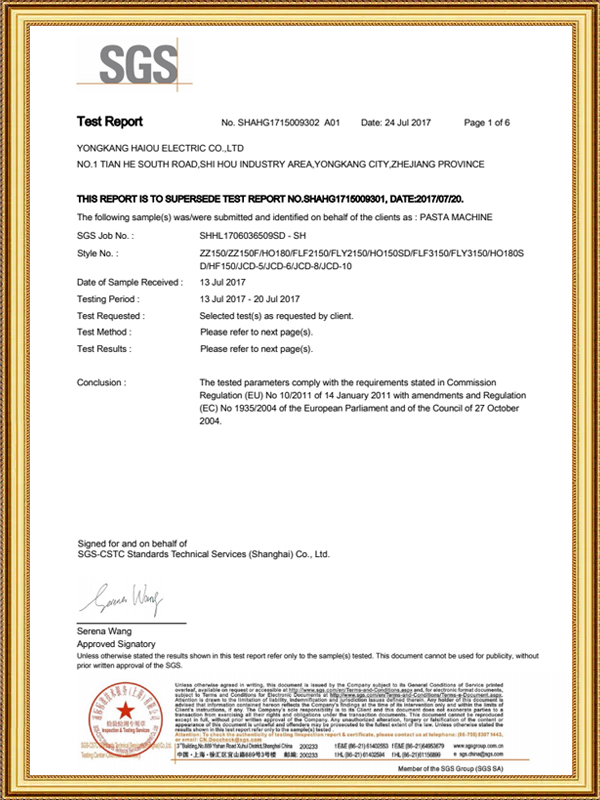
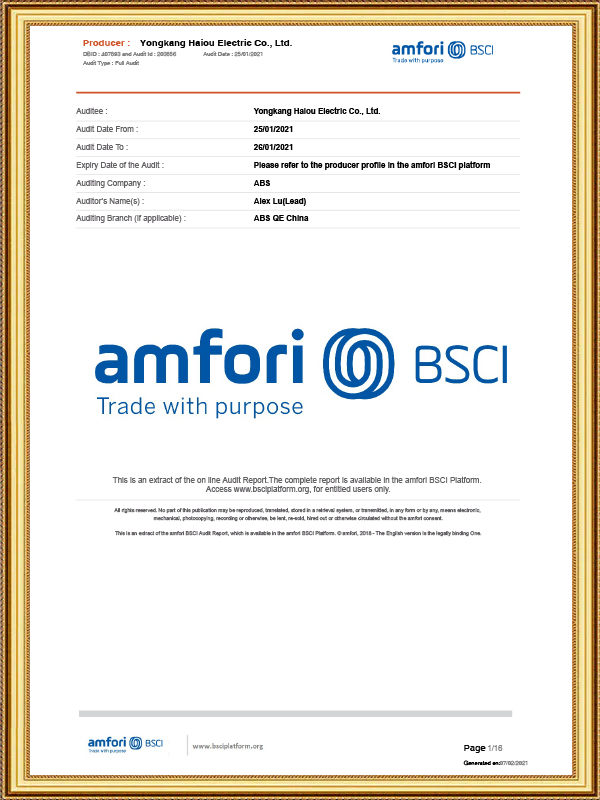
Our Certificate

OUR BLOG

Follow The Latest News

Industry Knowledge

Household Pasta Maker Made Easy: Essential Tips for Homemade Pasta Lovers

There's a quiet magic in making pasta at home that goes far beyond the plate. It's the feel of the dough coming together under your palms, the subtle give as it smooths out, the way fresh strands cling to sauce in a way dried pasta never quite manages. It's the pride of turning a few simple ingredients—flour, eggs, a pinch of salt—into something alive and delicious. No factory box can match that.

In an era filled with clever kitchen tools and a growing love for hands-on cooking, a household pasta maker has quietly become one of the most rewarding gadgets you can own. It opens the door to silky fettuccine, tender ravioli, perfectly thin lasagna sheets, or any shape you dream up—all made right on your countertop. If you've ever pictured yourself rolling out fresh pasta while dinner simmers on the stove, this guide will walk you through it with ease and encouragement.

Why Invest in a Household Pasta Maker?

You could always reach for a rolling pin and muscle through the dough the old-fashioned way, but a pasta maker turns what can feel like hard work into something genuinely enjoyable. These machines are straightforward and user-friendly, putting silky, professional-level pasta within reach of any home cook—no fancy credentials required. Here's why carving out a spot on your counter for one is absolutely worth it:

  • Consistency – A good pasta maker gives you perfectly uniform sheets every single time. No more thick-and-thin patches that leave some noodles mushy and others still firm.
  • Speed – Rolling by hand has its peaceful, rhythmic charm, but it takes time. With a machine, you'll have long, smooth sheets ready in just minutes, freeing you up to play with sauces, fillings, or simply enjoy the evening.
  • Variety – Most come with cutters for everything from narrow spaghetti to wide fettuccine, plus options for lasagna sheets or ravioli. Suddenly, the kinds of pasta you can make at home feel limitless.
  • Satisfaction – There's nothing quite like sitting down to a bowl of pasta you've shaped yourself. The flavor carries the extra ingredient of pride—and yes, it really does taste better when your own hands have been part of the process.

Using Your Household Pasta Maker

Setting Up Your Pasta Maker

Getting your pasta maker ready is quick, but doing it right makes everything smoother down the line.

  • Secure the Machine: For manual models, tighten the clamp firmly onto a sturdy countertop or table edge. It should feel rock-solid—no wobbling when you give it a gentle tug. A stable base keeps the rollers moving evenly and saves frustration later.
  • Adjust Thickness Settings: Begin at the widest opening (usually marked as 0 or 1). This gives the dough an easy first pass and helps build that smooth, elastic texture. You'll narrow it step by step as you work.

Rolling the Dough

The rolling stage is where the magic starts—turning a rough ball of dough into silky sheets.

  • Divide and Flatten: Break your rested dough into manageable pieces—about the size of a small orange each. Gently press or roll each one flat with your palms or a rolling pin until it's roughly rectangular and thin enough to fit through the rollers without forcing it.
  • Dust with Flour: Sprinkle a light, even coat of flour over both sides of the dough. Too much and it gets dry; too little and it sticks. This simple step is your best defense against tears or jams.
  • Feed the Dough: Set the machine to its widest setting and slowly turn the crank (or press the button on electric models) while guiding the dough in. Let it emerge smoothly on the other side—catch it gently so it doesn't flop onto the counter.
  • Repeat and Thin: Fold the sheet in half or thirds (like a letter) and run it through the same wide setting a few more times. This "laminating" builds strength and smoothness. Then dial the setting down one notch at a time, passing the dough through once or twice on each, until you reach the thickness you want—thinner for delicate angel hair, a bit thicker for hearty tagliatelle.

Cutting the Pasta

With beautiful sheets ready, shaping them is the fun part.

  • Using the Cutter Attachment: Switch to the cutting side of your machine (or attach the right cutter). Feed the sheet steadily through while turning the handle—the machine will turn out neat, uniform strands of spaghetti, fettuccine, or whatever your attachment is set for. Lay them out on a lightly floured surface or hang them to keep strands separate.
  • Cutting by Hand: For wider noodles like pappardelle, lasagna sheets, or filled pastas like ravioli, lay the rolled dough flat on a floured board. Use a sharp knife, pastry wheel, or pizza cutter to slice straight, even strips or squares. It's simple, gives you full control, and lets you customize sizes exactly how you like them.

Cooking Your Household Pasta Maker

Boiling the Water

The secret to great pasta starts with the water. Fill a large pot—big enough so the pasta has plenty of room to move around—with water (about 4-6 quarts for a pound of pasta). Salt it generously, roughly 1 tablespoon per gallon; this is your main chance to season the pasta itself. Bring it to a full, rolling boil—bubbling vigorously—before gently adding your fresh strands or shapes.

Cooking Time

Fresh pasta cooks in a flash compared to the dried stuff from a box. Most shapes are ready in just 2 to 4 minutes, depending on thickness. Stir gently right after adding it to prevent sticking, then start tasting a piece after about 90 seconds. You want it al dente—tender but still with a slight bite in the center. As soon as it's there, it's time to drain.

Saving Pasta Water

Don't pour everything down the drain! Before draining, scoop out at least a cup of that cloudy cooking water. It's loaded with starch and salt, and a splash or two stirred into your sauce will loosen it up, help it coat every strand beautifully, and tie all the flavors together.

Troubleshooting Common Issues

Even pros encounter hiccups. If dough sticks to rollers, it's too moist—dust more flour or let it rest longer. Tearing sheets? Dough might be too dry or rolled too thin too quickly; add moisture and start over on wider settings.

  • Machine jamming? Clean rollers between uses and avoid overloading. For electric models, ensure the motor isn't overheating—pause if needed.
  • Pasta too tough after cooking? Over-kneading or insufficient resting is often the culprit. Aim for that perfect elastic bounce.
  • Storage woes: Fresh pasta dries quickly, so cook immediately or freeze in nests on a floured tray. Dried pasta can hang on a rack for 24 hours before storing in airtight containers.
  • Hygiene tip: Always clean your machine promptly. Disassemble non-electric parts and wash with warm soapy water; dry thoroughly to prevent rust.

Simple Recipes to Get Started

  • Kick off with a basic egg pasta: Mix 2 cups flour, 3 eggs, knead, rest, roll to setting 6, cut into fettuccine. Toss with pesto for a quick meal.
  • For stuffed delights, try cheese ravioli: Blend ricotta, parmesan, and herbs for filling. Seal in sheets, boil, and serve with marinara.
  • Adventurous? Herb-infused linguine: Add chopped basil to dough, roll thin, cut narrow. Pair with garlic shrimp.
  • Each recipe serves as a canvas—adapt to your tastes.

Maintenance and Long-Term Care

  • To keep your pasta maker performing, regular upkeep is essential. After each use, brush off flour residue with a dry cloth or soft brush—never submerge manual machines in water. For stubborn bits, use a wooden skewer.
  • Oil moving parts sparingly with food-grade lubricant if specified. Store in a dry place, perhaps with a dust cover.
  • Upgrade wisely: As you advance, invest in attachments like a motor for manual models or specialty cutters.

Why Homemade Pasta with a Haiou Pasta Maker Is Worth the Effort

Making pasta at home with a Haiou pasta maker from Yongkang Haiou Electric Co., Ltd. is so much more than just preparing a meal—it's a rewarding experience that brings a quiet joy to your kitchen. It gently teaches you patience as you knead and roll, precision as you adjust the settings for the perfect thickness, and creativity as you decide on shapes and flavors. Every batch reflects your own hands and choices, turning a simple dinner into something truly personal and memorable.

The flavor and texture you get from fresh pasta rolled through a Haiou machine far outshine anything from a store-bought box—the strands are tender yet substantial, with a delicate richness that holds sauce beautifully. Pair them with your favorite sauce, whether it's a bright pesto, a hearty ragù, or a light garlic and oil, and you'll have a restaurant-quality dish that feels authentically yours. With reliable, well-crafted tools from Yongkang Haiou Electric Co., Ltd., the process is straightforward and enjoyable, making the small effort completely worthwhile every time.