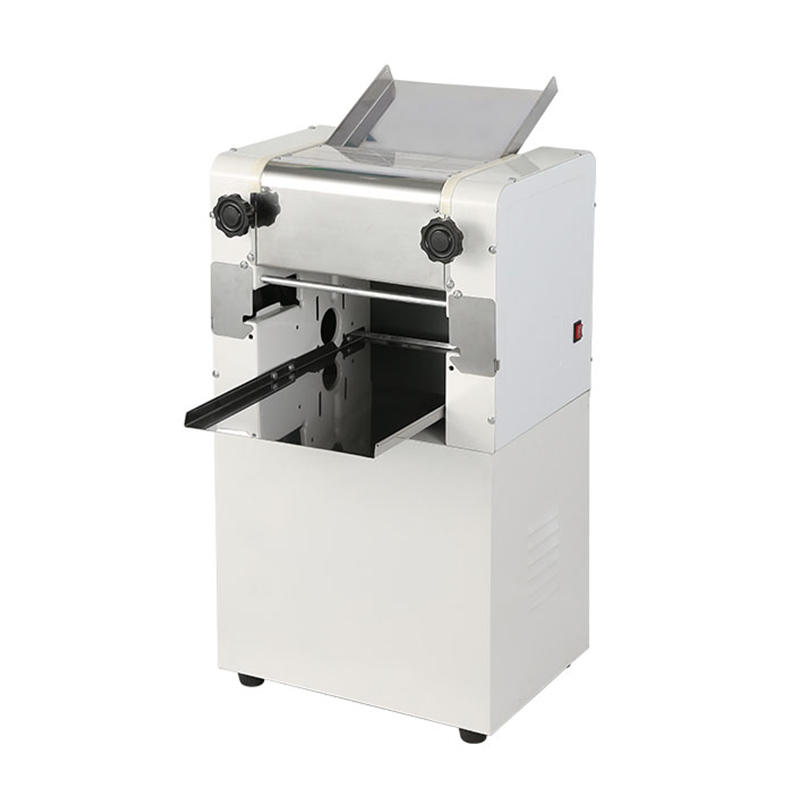
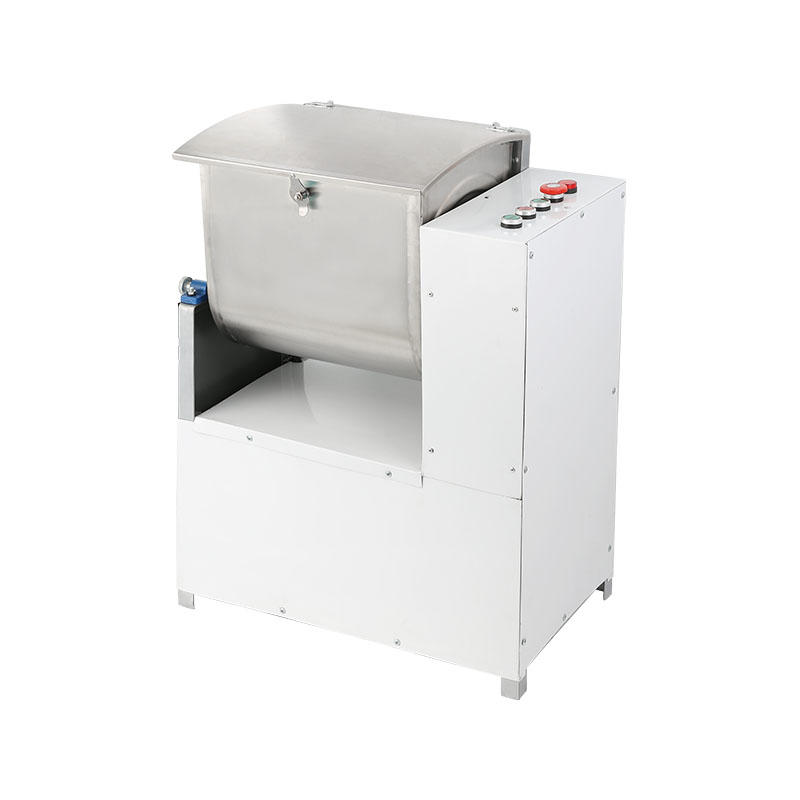
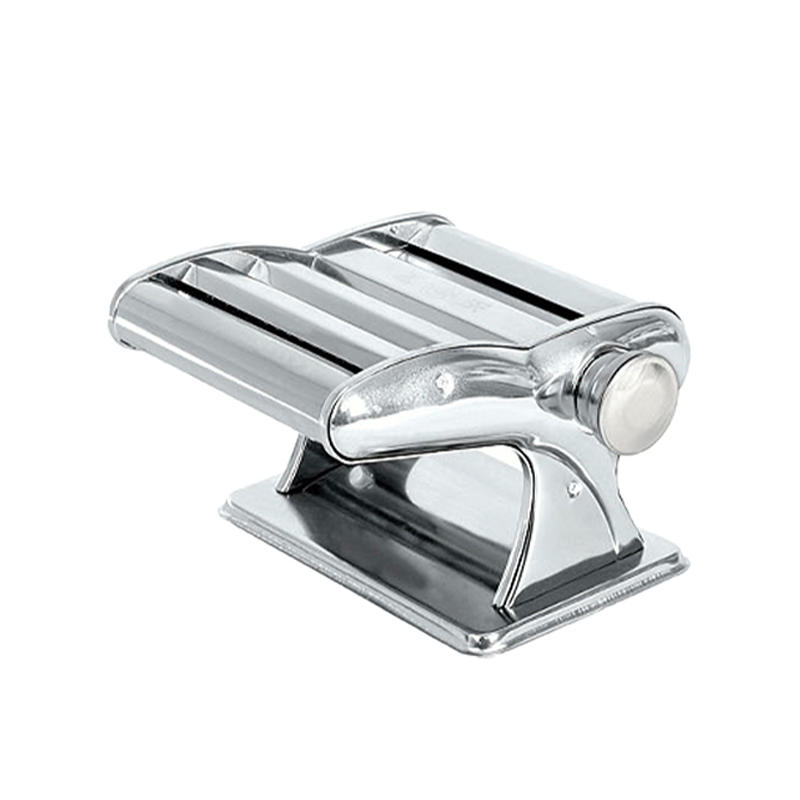
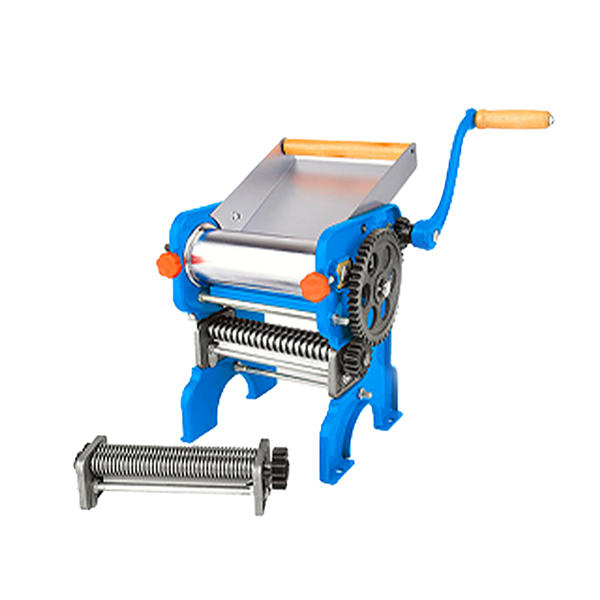
Commercial bakeries regularly encounter the challenge of producing dough with uniform quality while keeping labor expenses manageable and meeting rising production demands. Hand mixing proved sufficient for many older or smaller-scale operations, but today's order volumes and delivery schedules generally call for processes that provide consistent outcomes through large numbers of batches each week. The Haiou Electric Dough Mixer Machine helps bridge this need by handling the repetitive mechanical effort involved in dough development, while leaving bakers in charge of the adjustments that influence texture, temperature, and timing. A solid grasp of how the equipment fits into everyday production routines makes it simpler to assess whether automated mixing fits your particular setup and how to introduce it without upsetting current methods.
Understanding Electric Dough Mixer Mechanics and Common Designs
Electric dough mixers depend on powered mechanical action to blend ingredients thoroughly, build gluten structure, and bring the dough to the consistency needed for specific products. The particular way the machine moves and applies force influences how much the dough warms up, how the gluten strands organize themselves, and what the finished texture becomes. Since dough recipes vary in their response to mixing techniques, selecting a mixer often depends on matching the mechanical action to the specific baked goods being produced.
Spiral mixers are built around a spiral-shaped tool that rotates inside a bowl which stays mostly stationary or turns slowly the other way. This approach works especially well for heavier, wetter bread doughs, where the spiral path stretches and aligns the gluten strands smoothly while keeping friction and heat development quite low. As a result, the dough tends to stay at a reasonable temperature even through longer mixing times, helping protect natural fermentation processes and flavor character. Spiral mixers are generally a strong match for lean doughs, sourdoughs, and traditional country-style breads.
Planetary mixers rely on one tool that turns on its own axis at the same time it travels in a circle around the inside of the bowl. That combination of movements ensures even distribution of ingredients and makes the machine useful for many different mixtures, from dense bread doughs to much softer batters used in cakes. The option to change tools—such as spiral dough hooks, flat paddles, or wire whisks—adds considerable flexibility when several product types are being made in the same kitchen. Planetary mixers do produce a moderate amount more heat and friction than spiral models, which means mixing times and speeds often need more careful control.
Horizontal mixers feature one or two horizontal shafts equipped with arms that rotate within a long, open, trough-like container. They are commonly selected for large-scale production where big, uniform batches of the same dough formula are required regularly. These mixers are usually constructed to be very durable and allow relatively simple access for cleaning, although they demand more floor space than vertical-style machines.
Vertical shaft mixers keep the motor and drive components mounted above the bowl, with the working tools reaching downward into the dough. This setup allows bowls to be removed and cleaned more easily while keeping the machine's overall space requirements modest. Vertical arrangements are widely used in both spiral and planetary mixer designs.
Common attachments increase the range of tasks a mixer can perform. Spiral dough hooks concentrate on developing strong, elastic gluten in bread-style doughs. Flat beaters are effective for blending fats with dry ingredients in batter recipes. Wire whips introduce air into lighter mixtures such as egg-based foams. Bowl-edge scrapers help move material along the sides so that everything gets fully incorporated. In certain systems, the mixer can connect directly to a dough divider, letting freshly mixed batches move straight into portioning without extra handling.
The specific motion pattern affects dough development in noticeable ways. Spiral action tends to form longer, more extensible gluten networks while adding very little heat—well suited to doughs where steady, controlled fermentation is important. Planetary movement applies more forceful stretching and folding, which promotes even hydration of the flour and uniform distribution of added ingredients such as dried fruit, nuts, or seeds, though it generally requires closer observation to prevent overmixing more tender doughs. Horizontal mixing employs a gentle, rolling motion suitable for large batches, prioritizing uniformity in the mixture over greater gluten development.
What Electric Dough Mixers Deliver on the Production Floor
Electric dough mixers solve several practical challenges that manual mixing struggles to handle reliably. Recognizing these operational advantages helps determine whether bringing in a machine makes sense for your setup and gives a clear way to judge its performance once it's in use.
Consistency in mixing removes the natural differences that appear between batches when people mix by hand—whether from tiredness, varying techniques among staff, or pressure to keep up during busy times. When properly configured, a mixer repeats the same mechanical action with each batch, producing dough with consistent gluten development, even water absorption, and uniform texture. This regularity is reflected in the baked items, which maintain a steady crumb structure, rise, and eating quality that customers can depend on.
Speed and throughput gains come from the fact that machines can develop dough more quickly than hand kneading, while also letting workers handle other jobs at the same time. While one batch mixes, staff can weigh ingredients for the next one, shape items already proofed, or keep an eye on baking. Working in parallel like this helps avoid slowdowns and keeps the production flow steady instead of starting and stopping repeatedly.
Versatility across formulations becomes possible when one mixer can manage different kinds of products simply by changing speed, mixing time, or tools. Bread doughs that need strong gluten development do well with spiral-style action at moderate paces. Richer doughs with fats and sugars mix evenly using planetary motion that covers the bowl thoroughly without building too much heat. Laminated doughs for croissants or Danish need careful, low-speed handling to keep butter layers separate—something achievable with controlled settings. Cake and muffin batters require air to be incorporated through light mixing, a process often achieved with wire whips and gentle mixing sequences. A single mixer can accommodate both mixing styles without requiring separate machines for each task.
Labor ergonomics and lower risk of repetitive strain often go unnoticed but matter a great deal. Hand kneading involves repeated heavy effort that builds fatigue, raises the chance of strain injuries, and cuts output as the day goes on. Electric mixers take over that physical work completely, letting operators concentrate on evaluating dough feel, adjusting recipes, or making decisions that require experience and judgment—putting skilled hands to better use.
Hygiene-friendly design features make cleaning simpler and cut the time equipment spends out of action. Enclosed drive systems keep flour dust away from moving parts where it could build up and create issues. Bowls and tools, usually smooth stainless steel, clean quickly and stand up to strong sanitizers. Easy-release fittings allow fast breakdown and reassembly, reducing downtime during wash cycles. Smooth, welded construction avoids hard-to-reach spots where residue might hide. Together, these features turn sanitation into a routine step rather than a major interruption.
Energy-efficient operation and straightforward maintenance help keep running costs reasonable without compromising output. Modern motors use electricity effectively and draw power mainly when actually mixing. Sturdy transmissions and drives need little ongoing care and handle steady production without frequent trouble. Basic upkeep—such as checking belts, adding lubricant to bearings, or looking over seals—takes only a short time and helps avoid unexpected stops.
Choosing the Right Mixer for Your Operation
Selecting mixing equipment involves matching a machine’s functions with the actual requirements of your production. A careful, step-by-step evaluation helps avoid poor fits and makes sure the purchase pays off as expected.
Define Your Use Case
Begin by looking closely at how your production actually runs. Facilities focused on just one bread type day after day face different requirements than those switching between breads, pastries, and specialty goods. Lines running many batches per hour need different size and speed capabilities than smaller operations with fewer, more varied runs. Write down your usual output levels, range of products, and daily schedule to get a solid picture of what's needed.
Match Mixer Type to Product
Various doughs react differently to mechanical action. Firm bread doughs made with strong flour and moderate water develop gluten well under spiral mixing, which stretches and organizes the protein structure while keeping the dough from warming too much. Richer doughs with butter, eggs, or sugar need even blending and restrained gluten formation—planetary mixing handles these well by reaching all areas of the bowl and supporting different tools. Laminated doughs require gentle treatment to maintain separate butter sheets; too much force blends the layers and spoils the flakiness. Batters benefit from whipping that incorporates air while limiting gluten development. Consider your primary products and select a mixing approach that aligns with the main portion of your output.
Capacity and Batch Handling Considerations
Bowl size and how often you mix batches work together to set overall capacity. Bigger bowls mean fewer cycles per shift but take up more room and can leave extra dough if recipes change often. Smaller bowls offer more flexibility and cut down on waste for varied production, though they require more frequent mixing and operator involvement. Think about your typical batch amounts, how frequently you switch formulations, and whether mixed dough can be used promptly before it over-proofs or loses quality. Also consider busy periods when orders surge—will the mixer keep up without holding things back?
Motor, Speed Control, and Torque Features
Stiff doughs require ample torque at lower speeds to push through heavy resistance without the motor stalling or losing momentum. Lighter or more sensitive mixtures need the option to adjust speed precisely to avoid overdeveloping the dough. Variable-speed systems let you adapt the mixing effort to match the dough's condition—starting gently to blend ingredients and then increasing as the gluten strengthens. Mixers with fixed speed steps offer a practical alternative to fully adjustable controls, providing consistent preset speeds that suit many everyday recipes. Consider the doughs you commonly produce and whether they require a gentle start with gradual acceleration, sufficient low-speed torque for denser batches, or controlled low-speed operation for products that benefit from careful handling.
Materials, Finish, and Sanitation Features
Food-contact surfaces are usually made from food-grade stainless steel that resists rust, handles cleaning solutions well, and stays smooth enough for dough to release without much effort. Polished finishes help keep moisture and flour from building up compared to surfaces that are rougher or have small imperfections. Bearings and drive parts are typically sealed to hold lubricants in place and keep out dust or debris. Guards, panels, and covers that can be removed easily improve access during cleaning or routine checks. Designs that allow tool-free removal of bowls and attachments make daily sanitation quicker. Consider how these features fit with your normal cleaning routine and any food safety standards you follow.
Footprint and Layout Requirements
Measure the floor area where the mixer will go carefully, including enough space for operators to move safely around all sides, clearance to remove or attach bowls, and room nearby for preparing ingredients. Also check the ceiling height—some bowl systems or vertical attachments need extra overhead clearance. Look at how people and materials normally move through the space; the mixer's location should not crowd walkways or make it harder to reach utilities or other equipment. Think about the path dough will take after mixing and whether the mixer's position keeps that next step efficient.
Power and Utilities Checklist
Find out what electrical supply is available at the installation spot. Is it single-phase or three-phase? What voltage is present, and how much amperage can the nearby panel handle? Will the mixer need its own dedicated circuit, or can it connect to an existing one? See if ventilation might be needed if the machine runs for longer periods and produces heat. Make sure the area has clear, adequate lighting for safe operation and dough inspection. Confirm that floor drains or a close water source will support your usual cleaning process.
Attachment and Modularity Needs
If you plan to introduce new products or link the mixer to other machines later, select models that support interchangeable parts and easy integration. Does the mixer allow different bowl sizes? Can it use a range of mixing tools? Could it connect to dough dividers, depositors, or conveyor systems in the future? Equipment built with modularity in mind remains practical as your production needs change.
Decision Checklist
Before committing to a purchase, go through these questions to confirm alignment:
- What dough types will this mixer be used for regularly?
- Does the mixing action fit those doughs well?
- Will the bowl size work efficiently with our usual batch amounts?
- Can the motor and torque manage our thickest, heaviest doughs?
- Does the overall design make our sanitation steps straightforward?
- Will the mixer fit comfortably in our space while allowing safe access all around?
- Is our electrical supply sufficient and properly matched for installation?
- Could we need extra attachments or connection options in the future?
Integrating the Mixer into Your Production Line
An electric dough mixer forms one part of a complete production setup. Effective integration depends on how well it connects to the ingredient prep that comes before and the handling that comes after.
Flour handling and ingredient staging affect mixing efficiency directly. Keep storage and weighing areas close to the mixer to cut down on carrying distance and lower contamination risks. Gravity-drop flour systems or air-powered delivery remove the need to lift heavy bags manually. Organized, clearly labeled stations for each ingredient help avoid recipe mistakes and keep production moving during busy times.
Workflow sequence for small operations often runs like this: weigh ingredients at a nearby station, add dry ingredients to the bowl, start mixing slowly while pouring in liquids gradually, pick up speed to finish developing the gluten, pause to feel the dough and make adjustments if needed, complete the cycle, then move the dough to a bench or container for bulk rest before dividing and shaping. This layout places the mixer in the center, with ingredients coming from one side and fermentation or shaping space on the other, creating a straightforward flow that reduces extra walking.
Medium-capacity batch flows usually separate mixing from fermentation and shaping by using mobile dough tubs. After mixing finishes, dough transfers into rolling containers that go to a temperature-controlled rest area. This split lets the mixer begin the next batch right away while earlier ones ferment, supporting a steady workflow. The mixer typically sits near ingredient storage, with an easy route to fermentation space and a separate area for dividing, shaping, and proofing.
Larger production systems sometimes connect mixers directly to automated dough-handling equipment. Dough empties from the bowl onto belts or into hoppers that feed dividers and rounders. This method eliminates hand-carrying steps and keeps mixing timed to match downstream needs. When planning the space, account for conveyor paths, machine connections, and cycle coordination so dough avoids long waits or being moved too quickly.
Effective material flow practices minimize delays and support dough quality. Use transfer surfaces that let dough move without tearing or sticking. Allow enough rest time between mixing and dividing—dough pushed too soon fights shaping, while dough left too long becomes loose and hard to handle. Schedule mixing so finished batches reach the next station without delays. If several mixers run or later steps set the pace, stagger start times or include small holding areas—like extra tubs or proofer space—to smooth out minor timing differences and keep the line even.
Synchronizing mixer cycles with other equipment helps maintain consistent production without long idle periods or rushed work. If oven capacity limits overall output, adjust mixing timing so proofed dough arrives at the oven steadily rather than in big batches that overload it. If dividing and shaping take a set time per batch, match mixing frequency to what the shaping team can process. Include buffer points at key spots—such as dough containers or proofing racks—to handle small timing variations without upsetting the overall rhythm.
Operating the Mixer and Adapting Recipes
Moving from hand-mixing experience to using an electric mixer involves learning how machine settings correspond to the stages of dough development and the sensory signs bakers recognize from working by hand.
Converting Hand-Kneading Knowledge to Machine Settings
Hand kneading typically moves through a natural sequence: The process typically involves combining ingredients to hydrate the flour into a coarse, shaggy mass, then mixing to develop gluten structure and elasticity, and continuing until the dough reaches a smooth consistency. To replicate this with a mixer, begin at low speed to allow liquids to soak into the flour without scattering dry ingredients around the bowl. Shift to medium speed to provide steady mechanical action that aligns the gluten network. If the dough needs additional smoothing at the end, a short burst at higher speed can help. Build in brief rest periods between mixing stages so the gluten can relax, much like the short pauses bakers often take during hand kneading to let the dough settle.
Hydration Handling and Temperature Control
Friction from gluten strands rubbing together and from the mixer's action causes dough temperature to rise during mixing. If the dough gets too warm, it can harm yeast activity, weaken gluten structure, and cause fermentation to speed up in unexpected ways. To manage temperature, use cold water or add ice when mixing, keep mixing periods shorter with rests in between, choose lower speeds to limit friction, and check dough temperature regularly with an instant-read thermometer. When the dough feels noticeably warm or reaches a higher temperature than desired, stop mixing, place the bowl in the refrigerator for a short time, then resume. Over repeated batches, adjust the starting water temperature based on how much the dough warms, creating a practical way to keep results consistent.
Adapting Formulations to Machine Mixing
Recipes originally created for hand mixing often need changes when switched to a machine. Machines develop gluten more quickly and efficiently than hand mixing. Continuing to mix for the same duration as a hand-made recipe can result in a firmer texture in the finished product. Begin with shorter mixing times than the original instructions suggest, then stop to evaluate dough development and add more time only if necessary. Very high-hydration doughs that seem excessively sticky and hard to manage by hand frequently become much easier to handle in a mixer, as the steady mechanical action fully hydrates the flour and builds a strong enough gluten structure to support a wetter consistency. When working with wet doughs, consider beginning with small test batches and evaluating the baked outcome before adjusting the formula.
Mixing Sequences for Different Products
Lean bread doughs: Place flour, water, salt, and yeast in the bowl. Mix at low speed until the ingredients come together into a rough mass (hydration stage). Raise to medium speed and continue until the dough pulls away from the bowl sides and shows reasonable gluten strength. Pause and perform the windowpane test—take a small piece of dough and gently stretch it between your fingers; well-developed dough should stretch into a thin membrane without tearing. If the gluten appears underdeveloped, mix a little longer at medium speed and test again. When development looks sufficient, move the dough to a container for fermentation.
Enriched bread doughs: Add flour, sugar, salt, yeast, and eggs to the bowl and mix at low speed until roughly combined. Incorporate softened butter gradually in small amounts while continuing at low speed, letting each portion blend in fully before adding more. After all the butter is incorporated, increase to medium speed and mix until the dough turns smooth and elastic, releasing cleanly from the bowl sides. This usually takes longer than with lean doughs because the fat coats the gluten strands and slows their development. Evaluate readiness by feel—the finished enriched dough should feel smooth, slightly cool, and spring back when gently pressed.
Laminated dough: Combine flour, water, salt, and yeast at low speed just until the ingredients form a single mass—keep gluten development to a minimum. Mix only long enough to create a cohesive dough. Remove it to the bench, shape it into a rectangle, and refrigerate to relax the gluten before starting the butter lamination process. Excessive mixing at this stage builds too much gluten strength, which makes rolling difficult and causes the butter to break through layers instead of forming clean, separate sheets.
Batters: Place dry ingredients in the bowl. Add liquids and mix at low speed until everything is moistened. Increase to medium speed and mix just until the batter looks even—avoid prolonged mixing, as it develops gluten and can produce a tough texture in cakes and muffins. Stop as soon as the batter appears uniform, even if a few small lumps remain. These lumps will dissolve and smooth out during baking without creating toughness from overmixing.
Maintaining Equipment Performance Through Regular Care
Steady reliability in commercial equipment comes down to regular maintenance and solid cleaning habits. Food production areas bring specific hurdles—machines handle ingredients directly, sanitation rules are tight, and a breakdown mid-run stops everything cold. Getting a handle on what the equipment needs and working those steps into daily operations keeps things running smoothly over the long haul.
Electric mixing gear needs care in a few main spots. Food-contact surfaces call for frequent cleaning to head off contamination and keep up with hygiene standards. Moving parts require lubrication to cut down on wear and run even. Electrical connections deserve regular checks to guarantee safe, steady power. Frame and structural pieces need looking over for wear or damage that could throw off operation or create safety issues.
Current mixer designs usually make upkeep straightforward. Tools and attachments that pull off easily let you clean deep without fancy gear. Smooth bowl and chamber walls leave fewer spots for dough or flour to hide. Simple hookup points mean quick tool swaps without a fight. These practical touches shorten cleanup time and hassle, so crews are more likely to stick with the routine.
Daily maintenance activities generally cover:
- Wiping down food-contact surfaces to get rid of all residue
- Eyeing mixing tools for cracks, bends, or heavy wear
- Testing safety guards, switches, and stops to confirm they engage properly
- Clearing dust or buildup from outer areas and non-contact zones
- Running a quick test cycle before loading up for production
Periodic maintenance takes in:
- Close look at gears, shafts, and mechanical bits
- Greasing or oiling moving parts per the maker's specs
- Checking wiring, plugs, and panels for tight fits and no shorts
- Scanning the frame for cracks, bends, or loose welds
- Double-checking all safety interlocks and emergency stops
Regular upkeep shows its value over the machine's working years. Gear that gets consistent attention sees fewer surprise stops, holds onto its mixing power longer, and calls for smaller fixes down the line. That kind of predictability lets you schedule runs without second-guessing, unlike spotty equipment that demands backup plans and extra slack time.
Cleanup routines tie straight into sanitation checks and keeping product safe. Surfaces that don't get scrubbed right can grow bacteria, opening doors to contamination that hits safety regs and quality. Steady, full cleaning shuts that down, shielding end users and the shop from trouble. Electric mixers edge out hand methods here—written steps for wash-downs, staff training, and spot checks beat trying to watch every hand-scrub in a busy shift.
Holding up over time hinges on taking the daily beating from commercial dough loads. Big batches hammer the drive and tools hard, and the machine has to shrug it off batch after batch without softening up. Good build quality and right materials help, but shop maintenance makes or breaks the full service life. Places running a tight schedule on checks outlast those waiting for smoke to call the wrench.
Troubleshooting Common Problems
Tackle shop issues step by step: spot the signs, pin down likely culprits, and fix what fits.
| Symptom | Likely cause | Fix |
|---|---|---|
| Uneven dough texture | Weighing/mixing variation or different mix times | Standardize weights, ensure full incorporation, record mix time/speed |
| Dough overheating | Long/high-speed mixing or warm ingredients | Lower speed, add rest intervals, chill water/ingredients |
| Excessive sticking | Too much water, weak gluten, or cold dough | Reduce water, extend mixing, warm dough slightly |
| Noise / vibration | Loose parts, worn bearings, or debris | Stop, tighten/clear debris, inspect bearings |
| Motor stalls / struggles | Oversized batch, insufficient torque, or obstruction | Reduce batch, check capacity/drive, clear binding |
Choosing and bringing the Haiou Electric Dough Mixer Machine into use involves careful evaluation of its mechanical design, appropriate sizing for your batch requirements, and how well it integrates with existing workflows. The machine takes on the steady physical workload that fatigues manual techniques, yet operators retain full control over the settings that shape the final dough. Effective results depend on aligning the mixer's features with your real production patterns, providing thorough staff training on correct operation and upkeep, and organizing workflows so the equipment can perform as designed instead of being adapted to tasks it does not suit. Over the long term, as your bakery grows or changes direction, the care invested in selecting suitable equipment and integrating it methodically will largely determine whether automation brings practical advantages or leads to ongoing adjustments and added complexity.
When something goes off, work this way: kill power right off if safety looks iffy, watch and log what it's doing—noise, vibration, smells, odd movements—start with easy stuff like loose bolts, junk in the bowl, or wrong speed dial, pull the manual for your model's cheat sheet on common glitches, and page the shop tech or service guy for anything past basic tweaks. Never push through weird behavior—running it anyway turns a loose wire into a fried motor and days offline.


English
русский
中文简体
0