English
 русский
 中文简体
中文简体 0
0
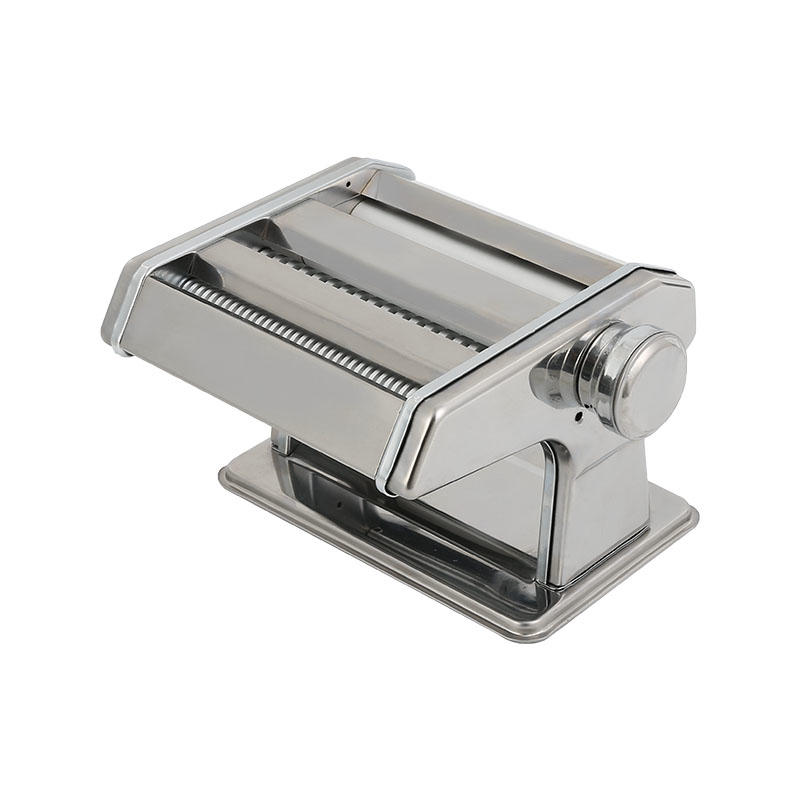
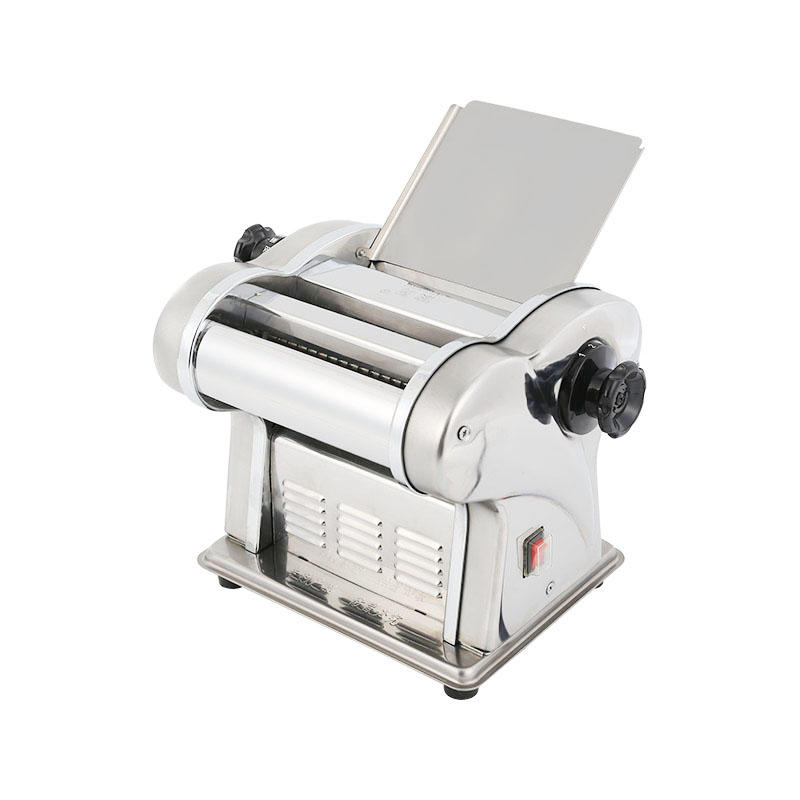
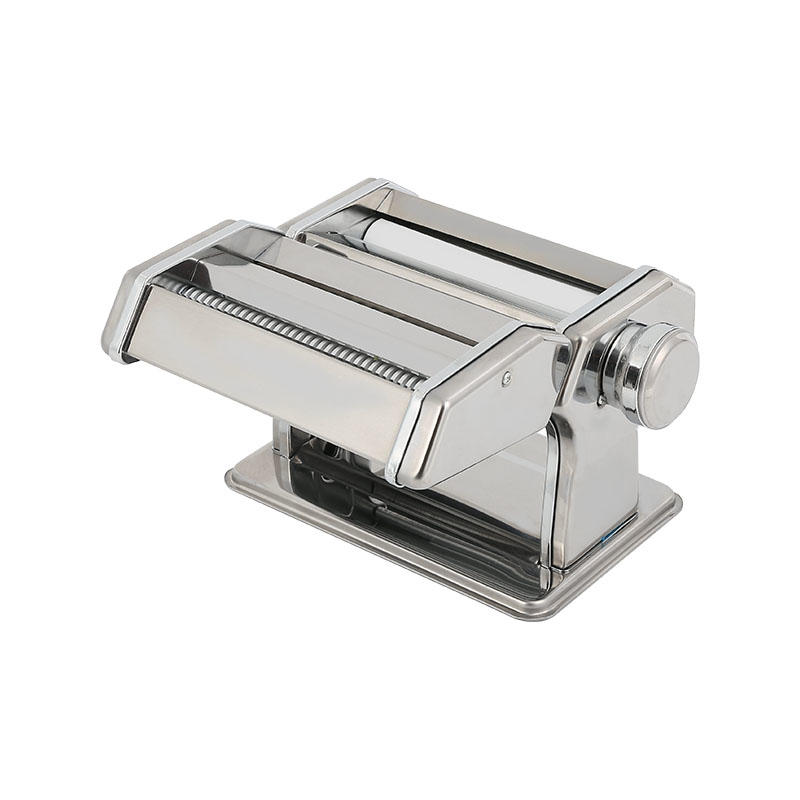
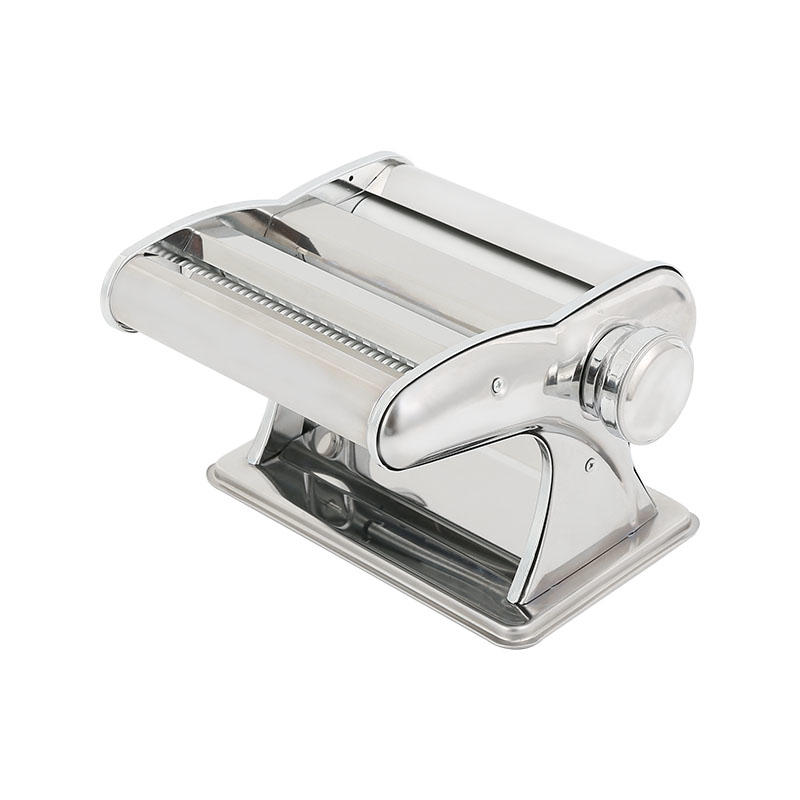
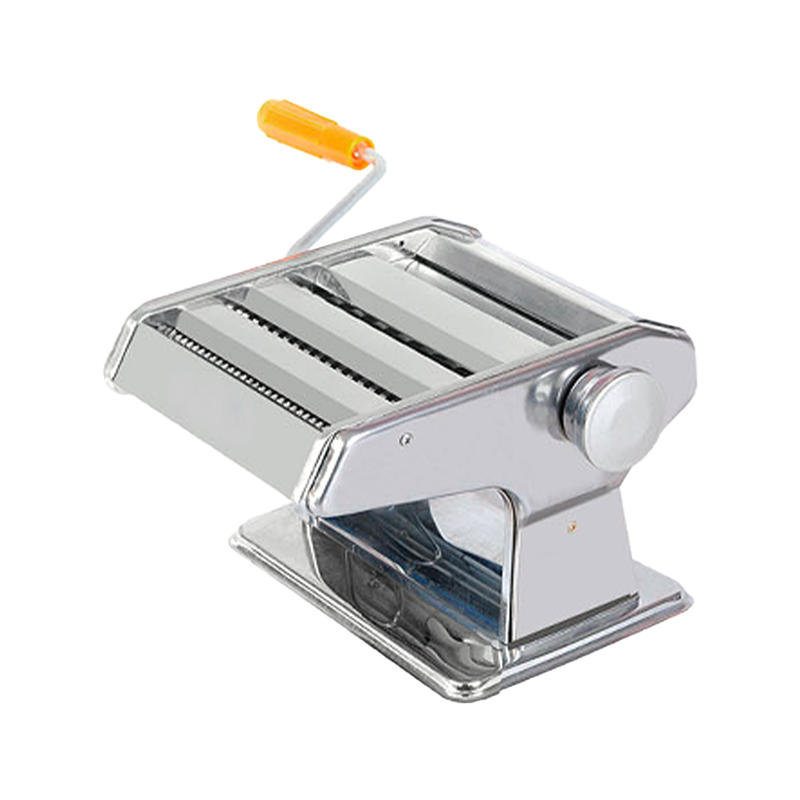
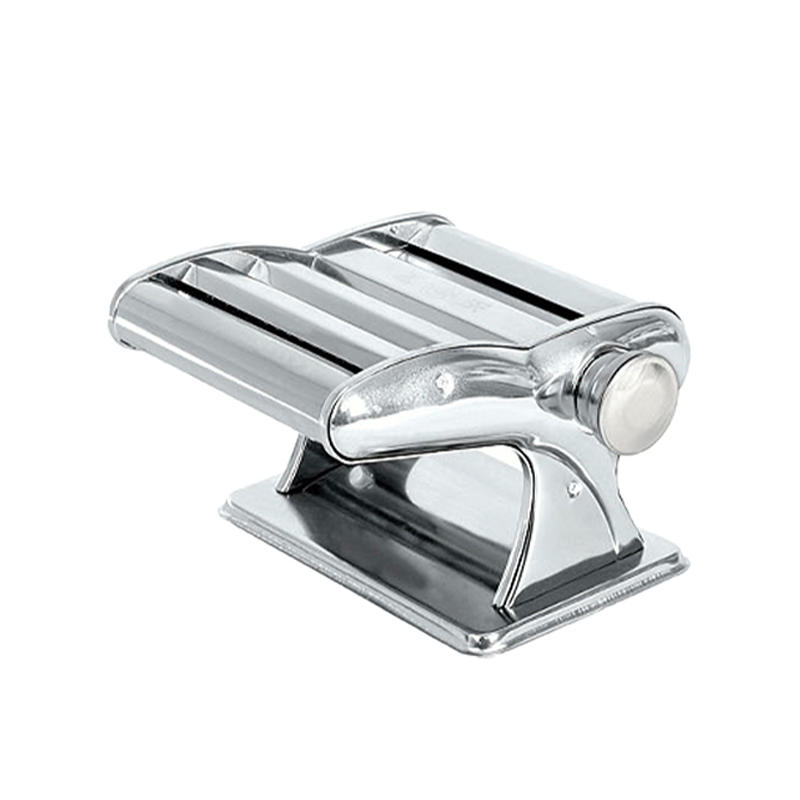
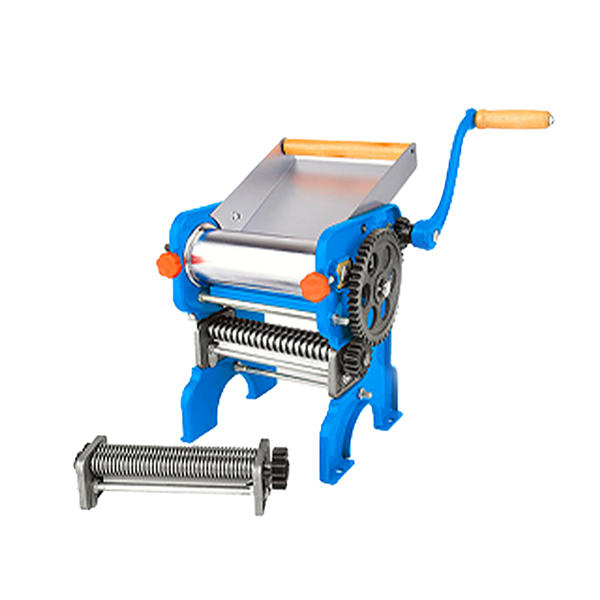
High Quality Supply Hand Operated Meat Slicer Company Maker
A hand operated meat slicer is a tool that has been used for generations to achieve this level of precision and presentation.
A hand operated meat slicer is a versatile kitchen tool that can be used for a variety of meats, from deli-style cold cuts to fresh, cooked meats. Its ability to provide uniform slices is unmatched, ensuring that each piece of meat is consistent in thickness. This uniformity is not only visually appealing but also ensures that each slice cooks evenly, whether it's for a sandwich, a salad, or a main dish.
Benefits of Using a Hand Operated Meat Slicer:
1. Consistency: One of the primary benefits of a hand operated meat slicer is the consistency it provides. Whether you're slicing deli meats, roast beef, or turkey, you can achieve the same thickness every time, which is crucial for even cooking and presentation.
2. Control: With a hand operated meat slicer, you have complete control over the slicing process. You can adjust the thickness of the slices to your preference, which is not always possible with electric slicers.
3. Durability: A well-constructed hand operated meat slicer is built to last. Made from high-quality materials, these slicers can withstand the test of time and heavy use in a commercial or home kitchen.
4. Portability: Unlike large, electric slicers, a hand operated meat slicer is easy to move around. This makes it ideal for those who need to transport their slicing equipment or for use in different locations.
5. Cost-Effective: Hand operated meat slicers are often more affordable than their electric counterparts. They require no electricity, which can be a significant advantage for those looking to save on energy costs or for use in areas without reliable power.
A hand operated meat slicer is not just for slicing cold cuts. It can be used for a variety of culinary applications:
1. Sandwiches: For a deli-style sandwich, a hand operated meat slicer can provide the good thin slices of ham, turkey, or roast beef.
2. Charcuterie Boards: A charcuterie board is a visually stunning display of various meats, cheeses, and accompaniments. A hand operated meat slicer ensures that the meats are sliced uniformly, enhancing the overall presentation.
3. Salads: Adding thinly sliced meats to a salad can add a protein boost and a textural element. A hand operated meat slicer can achieve the thinnest slices for a delicate addition to any salad.
4. Main Dishes: For main dishes that require evenly cooked meat, a hand operated meat slicer can ensure that each piece is the same thickness, reducing cooking time and ensuring even doneness.
5. Cooking Demonstrations: In cooking classes or demonstrations, a hand operated meat slicer can be a focal point, showing off the skill and precision of the chef.
Clean the blade and other parts after each use to prevent food residue from building up. Lubricate moving parts as needed to ensure smooth operation. Store the slicer in a dry place to prevent rust and keep it away from sharp objects that could damage the blade.
A hand operated meat slicer is a valuable addition to any kitchen, whether you're a professional chef or an at-home cook. Its ability to provide consistent, even slices makes it an indispensable tool for a variety of culinary applications.