English
 русский
 中文简体
中文简体 0
0
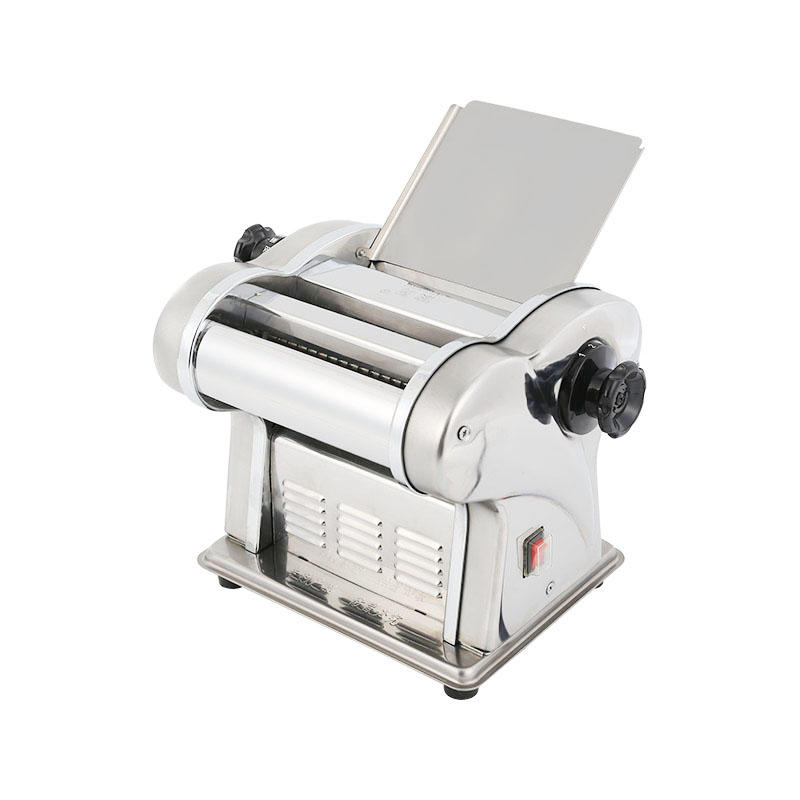
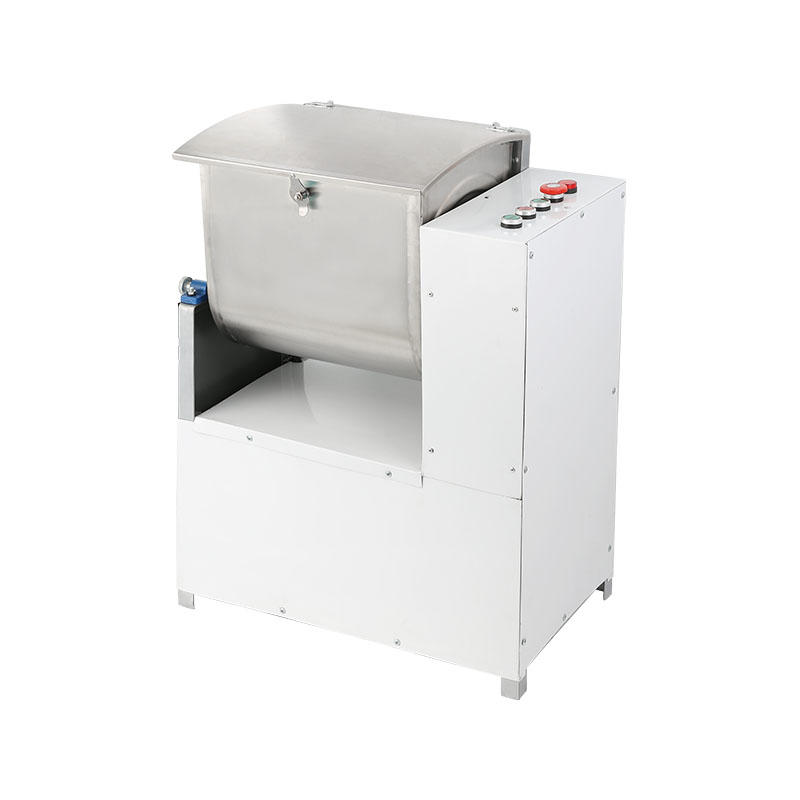
In the bustling ambiance of a hotel or a restaurant kitchen, efficiency is paramount. Every minute saved in food preparation translates to enhanced productivity and improved customer satisfaction. Among the myriad kitchen appliances, the electric dough mixer stands out as a quintessential tool, revolutionizing the way the dough is prepared and significantly boosting productivity in these establishments.
The electric dough mixer has become an indispensable asset in the culinary world, particularly in hotels and restaurants, where the demand for freshly baked goods is incessant. With its robust design and advanced functionalities, it streamlines the labor-intensive process of kneading dough, allowing chefs and bakers to focus on other crucial aspects of food preparation.
One of the key advantages of the electric dough mixer is its ability to handle large batches of dough effortlessly. In a bustling hotel kitchen where hundreds of loaves of bread, rolls, and pastries are produced daily, the efficiency of the dough-mixing process directly impacts the overall workflow. By automating the kneading process, the electric dough mixer ensures consistent quality and uniformity in the dough, regardless of the batch size.
Moreover, the electric dough mixer significantly reduces manual labor, sparing chefs and bakers from the physical exertion associated with hand-kneading. This not only improves workplace ergonomics but also minimizes the risk of repetitive strain injuries, ensuring a safer working environment for kitchen staff.
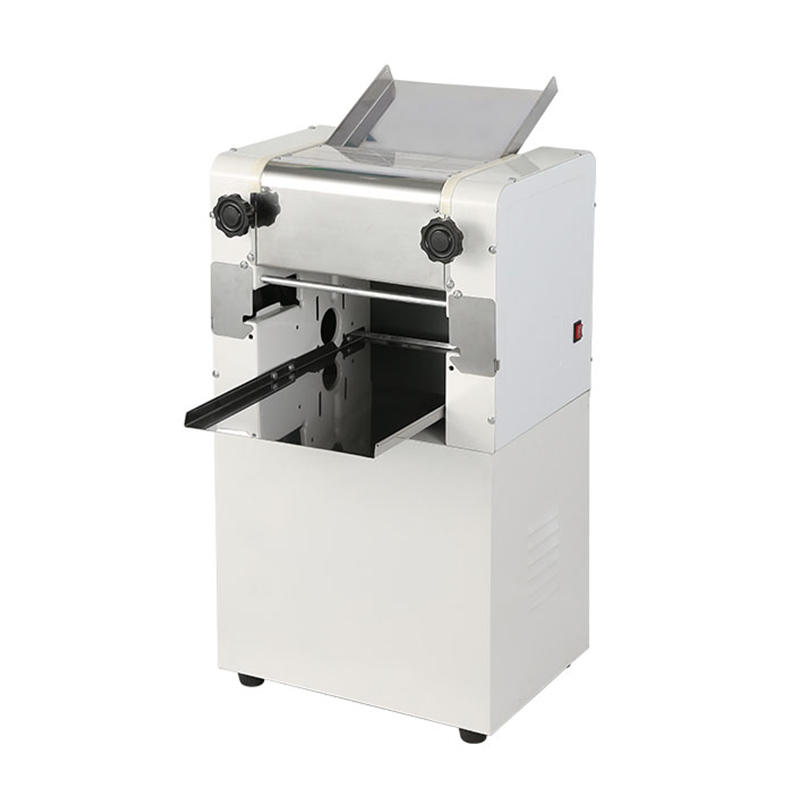
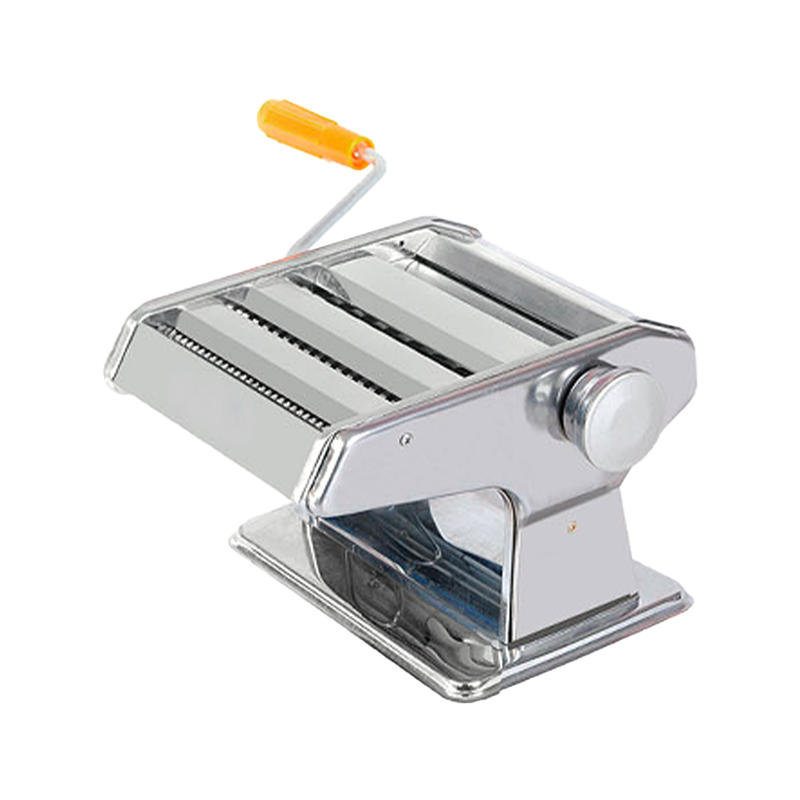
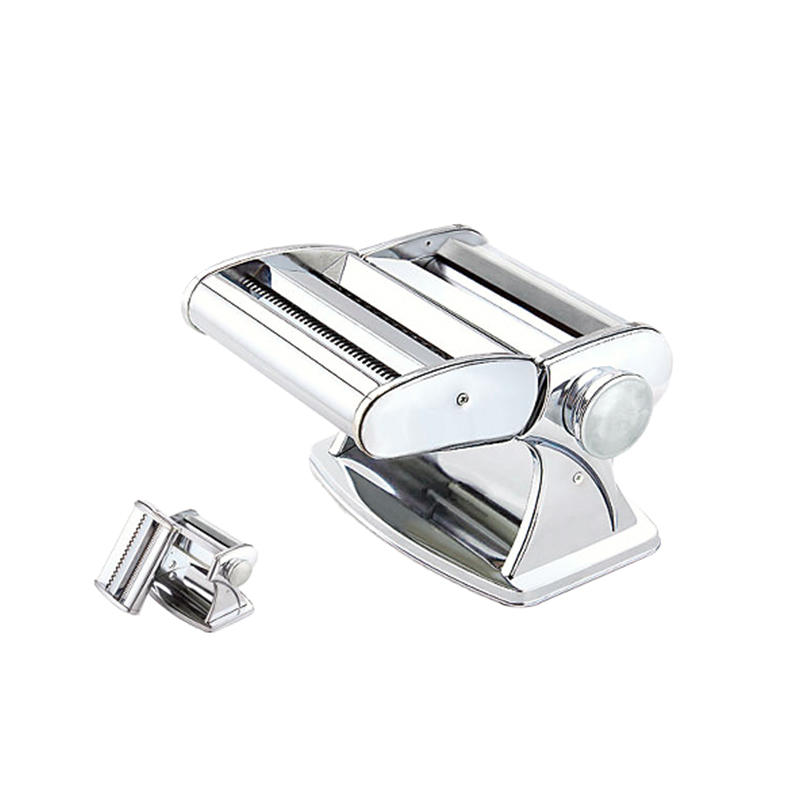
Furthermore, the versatility of the electric dough mixer extends beyond traditional bread dough. With the availability of various attachments and accessories, it can effortlessly handle different types of dough, including pizza dough, pasta dough, and even specialty dough for pastries and desserts. This versatility empowers chefs to explore new culinary creations, expanding the menu offerings and delighting customers with an array of freshly made baked goods.
The precision and consistency offered by the electric dough mixer are unparalleled. Unlike manual kneading, which is susceptible to variations in technique and strength, the electric mixer ensures uniform mixing and proper development of gluten, resulting in outstanding texture and crumb structure in the finished products. This consistency is crucial in maintaining the quality standards expected in a hotel or restaurant setting.
Moreover, modern electric dough mixers are equipped with advanced features such as programmable settings and variable speed controls, allowing chefs to fine-tune the mixing process according to specific recipes and dough requirements. Whether it's a delicate pastry dough that requires gentle mixing or a dense bread dough that demands vigorous kneading, the electric mixer can be customized to deliver better results every time.
Another significant advantage of the electric dough mixer is its time-saving capabilities. In a fast-paced kitchen environment, every minute counts, and the efficiency gained from using an electric mixer can make a substantial difference in overall productivity. By significantly reducing mixing times compared to manual methods, the electric mixer enables chefs to meet tight deadlines and fulfill orders promptly, even during peak hours.
Additionally, the ease of cleaning and maintenance further enhances the appeal of electric dough mixers in hotel and restaurant kitchens. Unlike traditional mixers that can be cumbersome to disassemble and clean, modern electric mixers are designed with user-friendly features such as removable bowls and easy-to-wipe surfaces, facilitating quick and hassle-free cleanup between batches.
The investment in an electric dough mixer is not only justified by its immediate impact on productivity but also by its long-term benefits. With proper care and maintenance, electric mixers are built to withstand the rigors of commercial kitchen environments, offering years of reliable service and contributing to cost savings over time.
In conclusion, the electric dough mixer has emerged as a game-changer in the realm of hotel and restaurant kitchens, redefining the way the dough is prepared and elevating productivity to new heights. Its efficiency, versatility, consistency, and time-saving capabilities make it an invaluable asset for chefs and bakers striving to meet the demands of discerning customers. As culinary trends continue to evolve, the electric dough mixer remains a steadfast companion, empowering kitchen professionals to unleash their creativity and deliver exceptional baked goods that leave a lasting impression.